

Parent Infant Psychotherapy
GET SUPPORT
Sometimes becoming a parent doesn’t feel how you expected.
You might feel disconnected from your baby, overwhelmed, or unsure what your baby needs from you. You may be coping with a difficult birth, low mood, anxiety, or simply a sense that something isn’t quite right.
You are not alone — and support is available.
At DorPIP, we offer specialist parent-infant psychotherapy in Dorset, gently supporting the relationship between you and your baby in the earliest months and years of life.
If you are need support with creating a referral or have any questions please contact us on referrals@dorpip.org.uk
When might this support help?
You don’t need a diagnosis or a referral to recognise that something feels difficult.
Families come to us when they are experiencing things like:
finding it hard to bond with their baby
feeling disconnected, numb, or unsure
feeling overwhelmed, anxious or low after birth
intrusive or worrying thoughts
a difficult or traumatic birth experience
uncertainty about how to read their baby’s cues
feeling stuck in patterns that don’t feel good
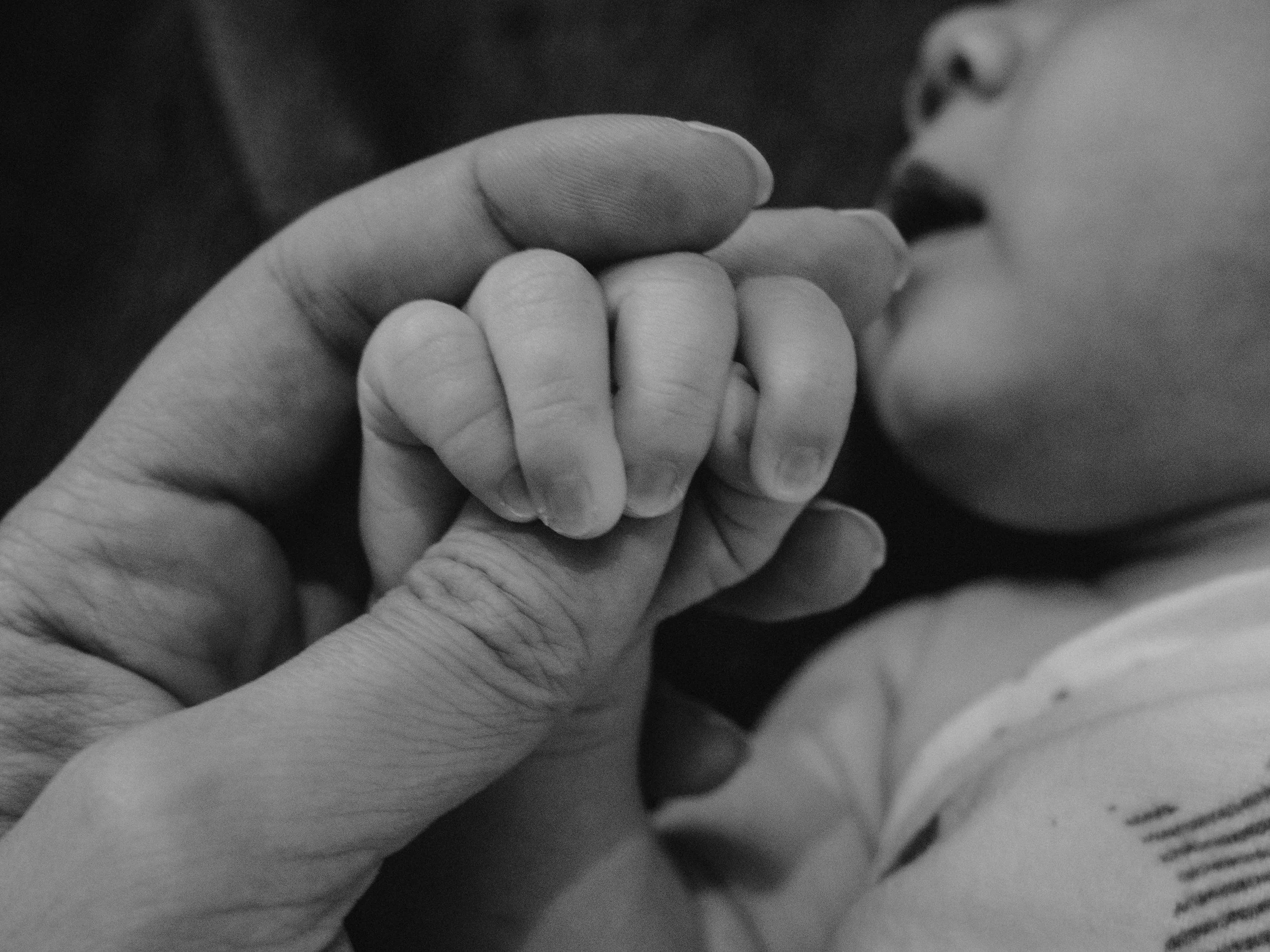
“The sessions with DorPIP literally saved me. I was in a very dark place and wanted to run away from my life and my new-born baby. I am now literally a different person. I will be forever grateful. Thank you.”
You may not be looking for “therapy”. You may just know something doesn’t feel right.
What is Parent Infant Psychotherapy?
Parent-infant psychotherapy focuses on the relationship between you and your baby.
Rather than looking only at the parent or only at the baby, we work with what happens between you — the connection, communication, and emotional experience you share.
In sessions, we support you to:
understand your baby’s cues and communication
make sense of your own emotional responses
build confidence in your relationship
feel more connected and attuned
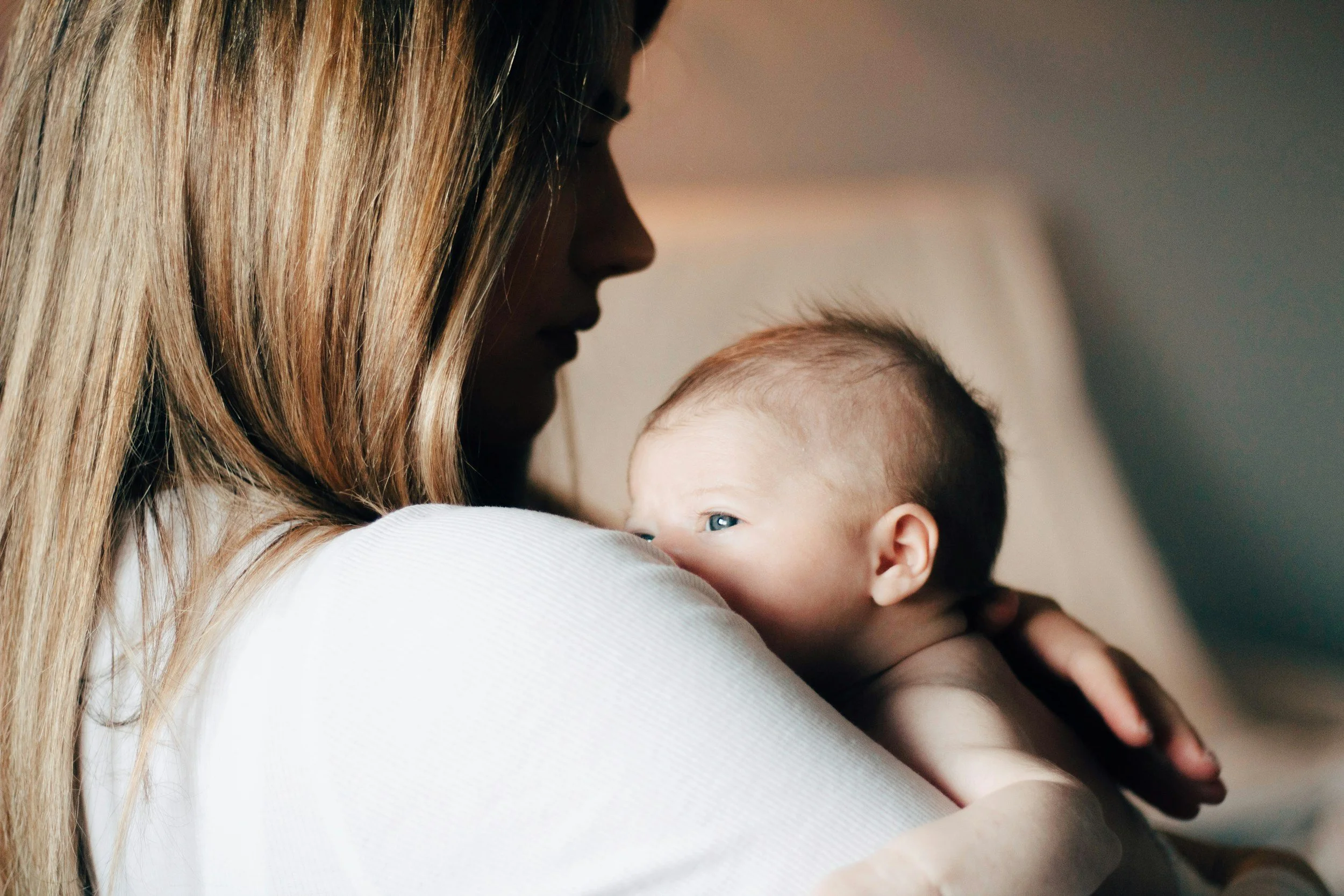
This is a gentle, reflective process, held by a specialist practitioner trained in infant mental health and early relationships.
We offer:
one-to-one sessions with you and your baby
a calm, non-judgemental space
support tailored to your individual experience
a pace that feels manageable for you
Our work is rooted in:
infant mental health
attachment and early development
relational, evidence-informed practice
We often work alongside:
health visitors & midwives
perinatal mental health services
early help and family hub teams
“I’m a lot less anxious since I started psychotherapy and I feel a lot more in control. It’s easier to get on with day-to-day life, and I feel like I can enjoy my baby more. We are doing a lot more together and feel more connected. ”

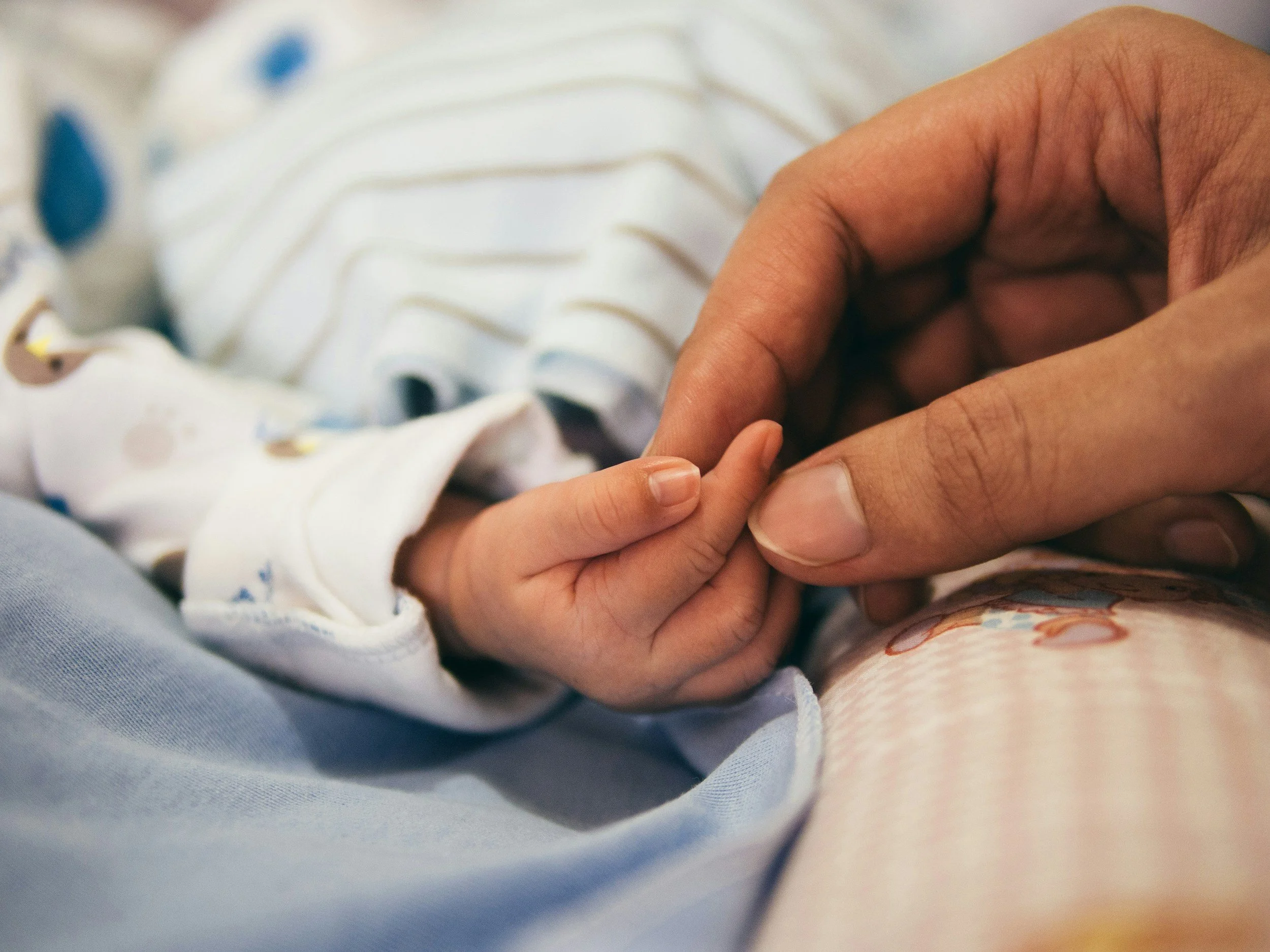
For parents and carers
You are welcome here exactly as you are.
You don’t need to have the right words, or know what the problem is. We will work it out together.
Seeking support is not a sign that something is wrong with you. It is a way of taking care of your baby by taking care of your relationship.
If you’re unsure whether this is the right support, please get in touch — we’re happy to talk it through.
For professionals referring families
We accept referrals from:
health visitors
midwives
GPs
perinatal mental health teams
family hubs and early help services
This is a specialist parent-infant psychotherapy service, supporting families during pregnancy and the first two years of life.
If you are supporting a family where:
the parent-infant relationship feels strained
there are concerns about bonding or connection
the parent is experiencing emotional distress impacting the relationship
We would welcome a referral. Referrals can be made by parents or professionals, including as part of a clinical referral pathway alongside wider services.
““My relationship with my baby was balanced but I lacked the confidence that I am doing a good job. Now I am confident that I am a good enough parent. I have learnt how to give her a voice, putting myself in her shoes. I now can take a step back, have a moment, and take a deep breath without worrying I’m a bad mum. I also have the knowledge to tap into other resources to support me and my child.””

After benefiting from our services families often feel like they want to give back. If this is you, thank you, we appreciate your support.
Write a Google Review: Your review of your experience with DorPIP could encourage others to reach out for support, and benefit from our services as well.
Volunteering: Volunteer a little of your time to help with small tasks or projects. For instance, you could help spread the word about the DorPIP’s services on social media.
Spread the Word: Simply telling your friends, family, and colleagues about DorPIP the organization and the positive impact it has had on your life can go a long way.
Talking Therapy FAQs
-
Our sessions are online or in person and last for 50 minutes. Families generally have between 6-8 sessions. Once you have completed a course of therapy you may request further support right up to when your baby is age 2. Lisa our clinical lead can help you with any questions or queries you may have.
-
We want to help your family to flourish and payment for services need not be a barrier as we can offer you free sessions if you meet certain criteria. To see if we can do this, you’ll be asked to complete a Request for DorPIP services form which will assess if you can access our other services for free as well.
You may not find all the questions are relevant to the service you’ve requested however please complete the form as fully as possible as this will give us a good overview of what is currently going on for you and your family.
-
The sessions take place online using the Microsoft Teams app. However, your counsellor may be able to offer face-to-face sessions at an agreed location, at their discretion.
-
Our sessions are all about helping you and your baby feel connected and understood. Your baby is an important part of this process, so they’ll always be welcome in the room, even if we’re just meeting with you. We’ll talk about what’s on your mind and how you’re feeling, but always with a focus on your relationship with your little one. We’re not a counselling or couple therapy service — our role is to support you and your baby together.
-
If you would like your partner/baby’s other parent to attend the sessions we ask that they also complete their own form so we can see what your family is like from both perspectives.
We can also offer counselling sessions to both of you individually.
-
It differs because, although it’s a type of family therapy, it specialises in the time period from conception to aged two – which is pre-verbal on the part of the child. In our therapy, we act as the bridge between infant and parent – putting ourselves in the position of viewing the parents as the infant might – meaning that we can then act as the voice for the child.
-
We will be able to help you discover any unconscious emotional blocks or past trauma that may be affecting your feelings.
-
We don’t report ‘thoughts’ and realise that disturbing thoughts are very common. There’s also a big difference between thoughts and action. If you said something that was of real concern, we would work with you to ensure you had the best possible support and we are bound by local safeguarding regulations (Safeguarding Children’s Board)
-
Giving birth can often trigger intense memories from your own childhood. Perhaps you didn't have a good experience of being parented, or traumatic things happened? The realisation that your own experience of being parented was lacking can be a shock and affect the way you feel about how you'll be as a parent now. We can help you process these thoughts and emotions.
-
Yes, birth trauma is a type of PTSD and we can help you process this experience - which you were probably not in control of. We will do this in a sensitive way so as to not re-trigger the trauma, showing you techniques to help your brain understand that you are no longer in danger.
-
Yes, all of our councellors and parent-infant psychotherapists are fully qualifed and have three year’s post-qualifying experience and a specialism working with families. All of our therapists are registered with the British Association for Counselling and Psychotherapy.
-
We accept self-referrals via email. It’s a confidential service and emails are handled by an appropriately trained member of the team. After the initial email, We conduct a telephone assessment and then an appointment can be arranged with a therapist. We also take referrals from health professionals such as health visitors, midwives, GPs and other psychotherapists as well as family outreach workers, social workers and speech therapists.
-
We aim to have no waiting lists – because babies can’t wait.